
Strategy · Technology · Digital Growth
Growth is not luck.It is architecture.
SCALEQ designs the systems behind a company's evolution: strategy, digital products, automation and infrastructure that turn complexity into organised scale.
Every growing business gets tangled.
Tools that don't talk to each other, files in ten places, knowledge in two people's heads. That is not failure — it is the natural cost of growing without structure.
Technology alone does not create order.
One more tool on top of a vague process produces faster chaos. We first map how the work should flow — then choose what will support it.
Structure is what scales.
When processes, data and systems have an architecture, every new customer, product or market is added on top of a foundation — not on top of exceptions.
We don't just add technology. We create structure.
What we take on
Eight areas, one principle: every intervention must leave the business more organised than it found it.
Before any line of code: where the business is going, what is holding it back, what deserves to be built first.
01 — Strategy & Consulting
The SCALEQ operating model
Six stages repeated in every engagement — from diagnosis to scale. The same system, more mature at every stage.
SQ.01
Understand
How the business runs today, where time and money leak, what actually needs to change. No technology decision before this.
SQ.02
Structure
Complexity gets organised: processes, data and roles receive a clear architecture before code is written.
SQ.03
Build
Delivery in phases, value first: every release works, gets used and is judged in practice.
SQ.04
Connect
The new system ties into what exists: ERP, payments, channels, tools. Data flows without double entry.
SQ.05
Measure
Performance is tracked with a few correct indicators. What underperforms is fixed with evidence — not impressions.
SQ.06
Scale
With the foundation stable, expansion becomes a choice, not a risk: new channels, more users, next markets.
The SCALEQ operating model
SQ.01
Understand
How the business runs today, where time and money leak, what actually needs to change. No technology decision before this.
SQ.02
Structure
Complexity gets organised: processes, data and roles receive a clear architecture before code is written.
SQ.03
Build
Delivery in phases, value first: every release works, gets used and is judged in practice.
SQ.04
Connect
The new system ties into what exists: ERP, payments, channels, tools. Data flows without double entry.
SQ.05
Measure
Performance is tracked with a few correct indicators. What underperforms is fixed with evidence — not impressions.
SQ.06
Scale
With the foundation stable, expansion becomes a choice, not a risk: new channels, more users, next markets.
Systems with a business result
Every solution exists for one reason: to change a specific number or a specific daily struggle.
Business management platforms
Unified systems where clients, projects, orders and finances live in one structure instead of ten files.
Outcome
Daily operations stop depending on the memory of specific people.
What changes in practice
We don't promise percentages. We promise specific, verifiable changes in how the business works.
- Less manual work
- What repeats gets automated. The team works where judgement is needed.
- Better decisions
- One current picture of the data instead of conflicting exports.
- Organised operations
- Processes with clear steps, owners and history — not oral tradition.
- New revenue streams
- Digital channels and services that sell beyond the physical footprint.
- Better customer experience
- Customers are served faster and can see for themselves what they ask about today.
- Infrastructure that scales
- Growth stops requiring a proportional increase in staff and cost.
- Lower operating cost
- Fewer errors, fewer do-overs, fewer tools paid for without reason.
- A unified data picture
- Every number has one source. Meetings are about decisions, not about whose number is right.
What our work looks like
Demonstration scenarios that show how we think and deliver — from the problem to the measurable result.


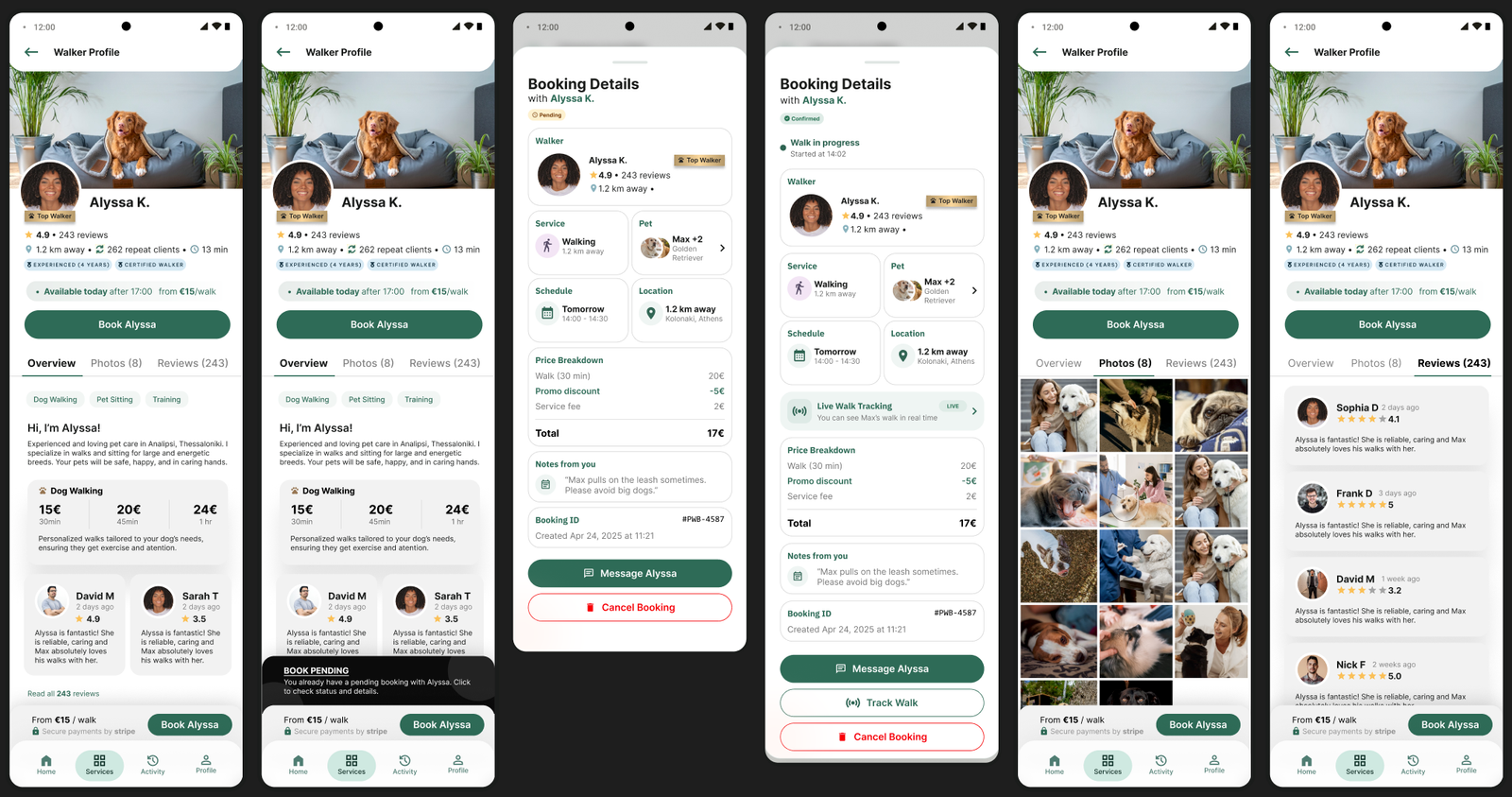
Collaborative Delivery
Banking / Fintech
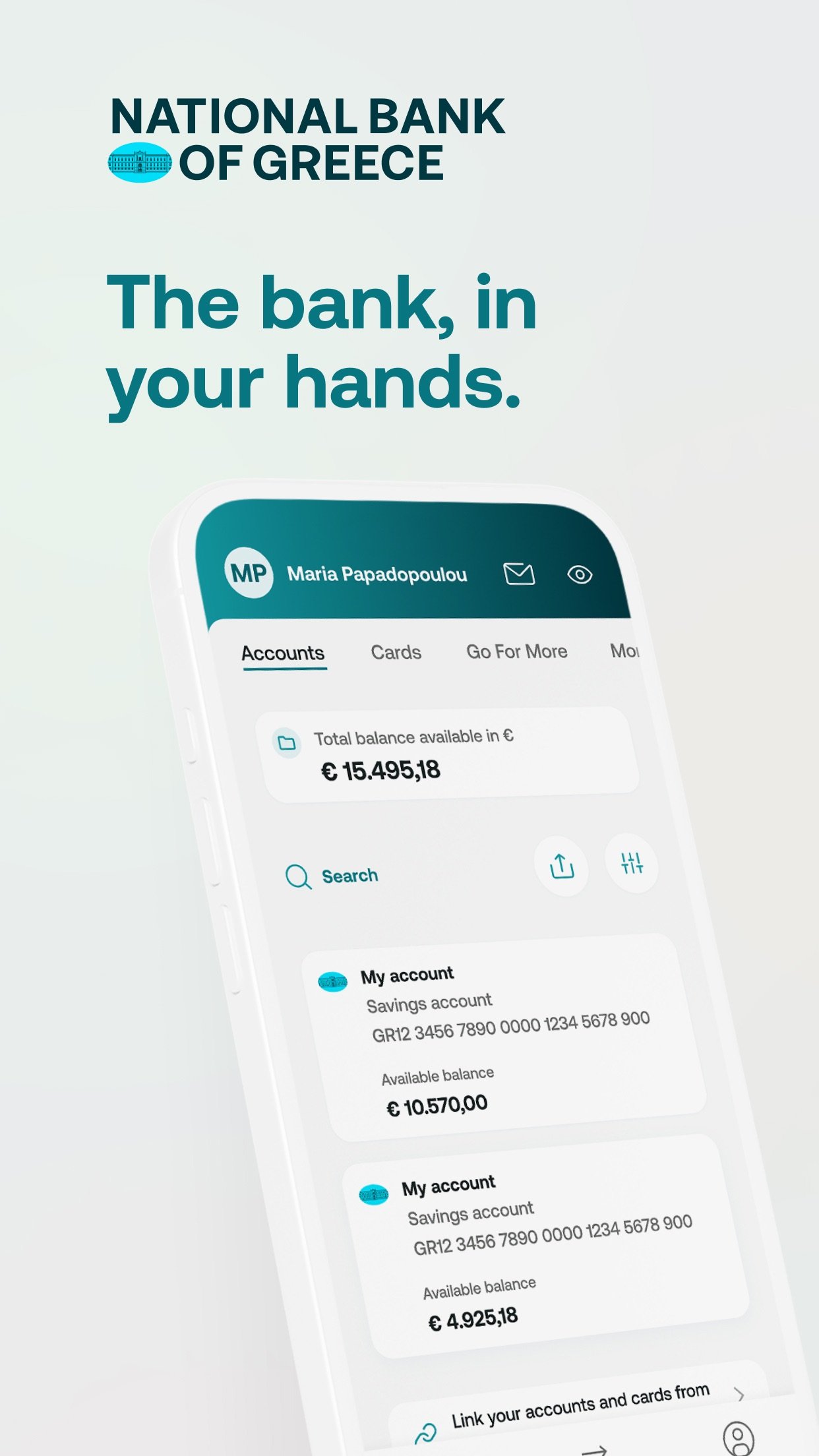
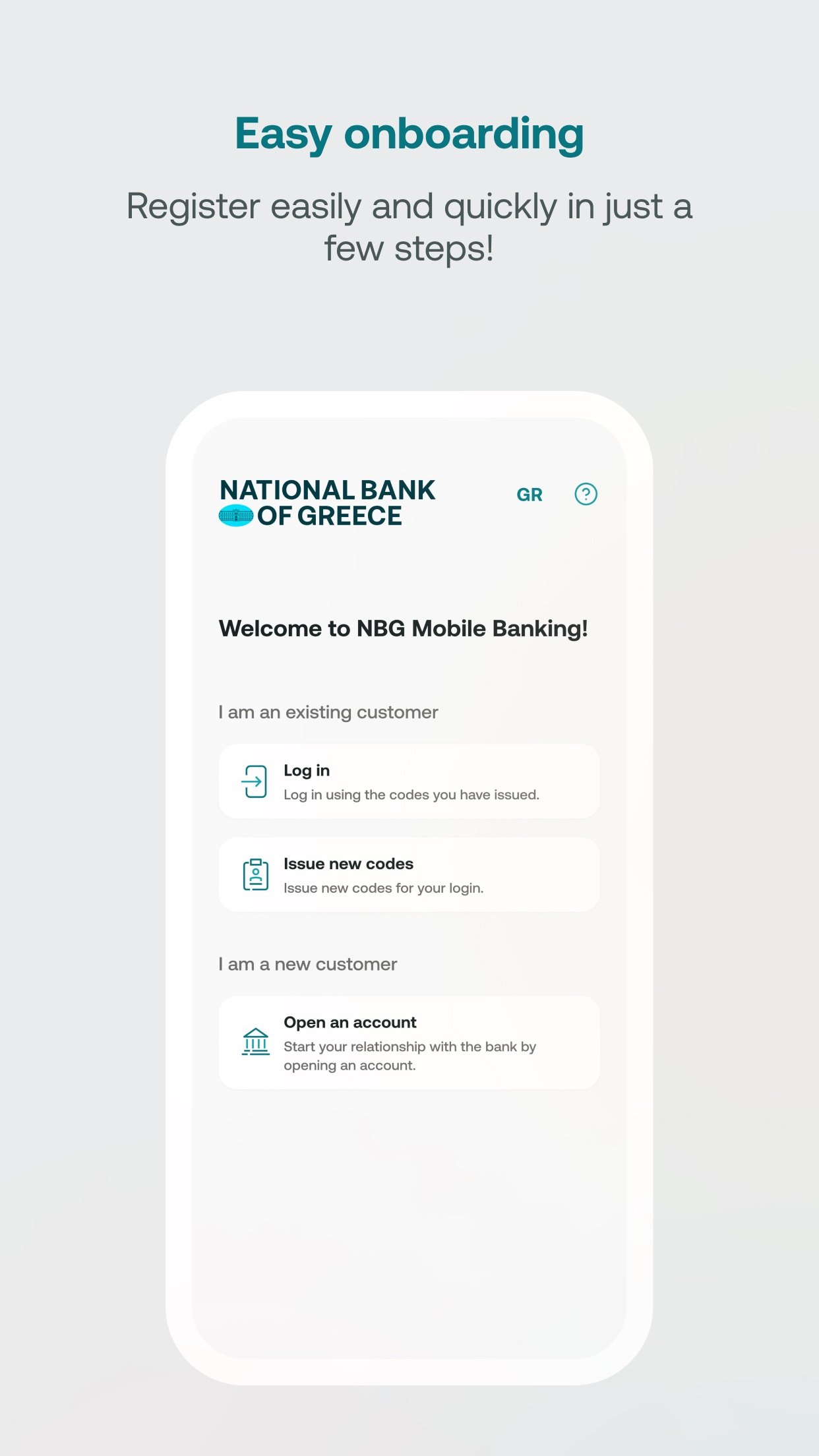
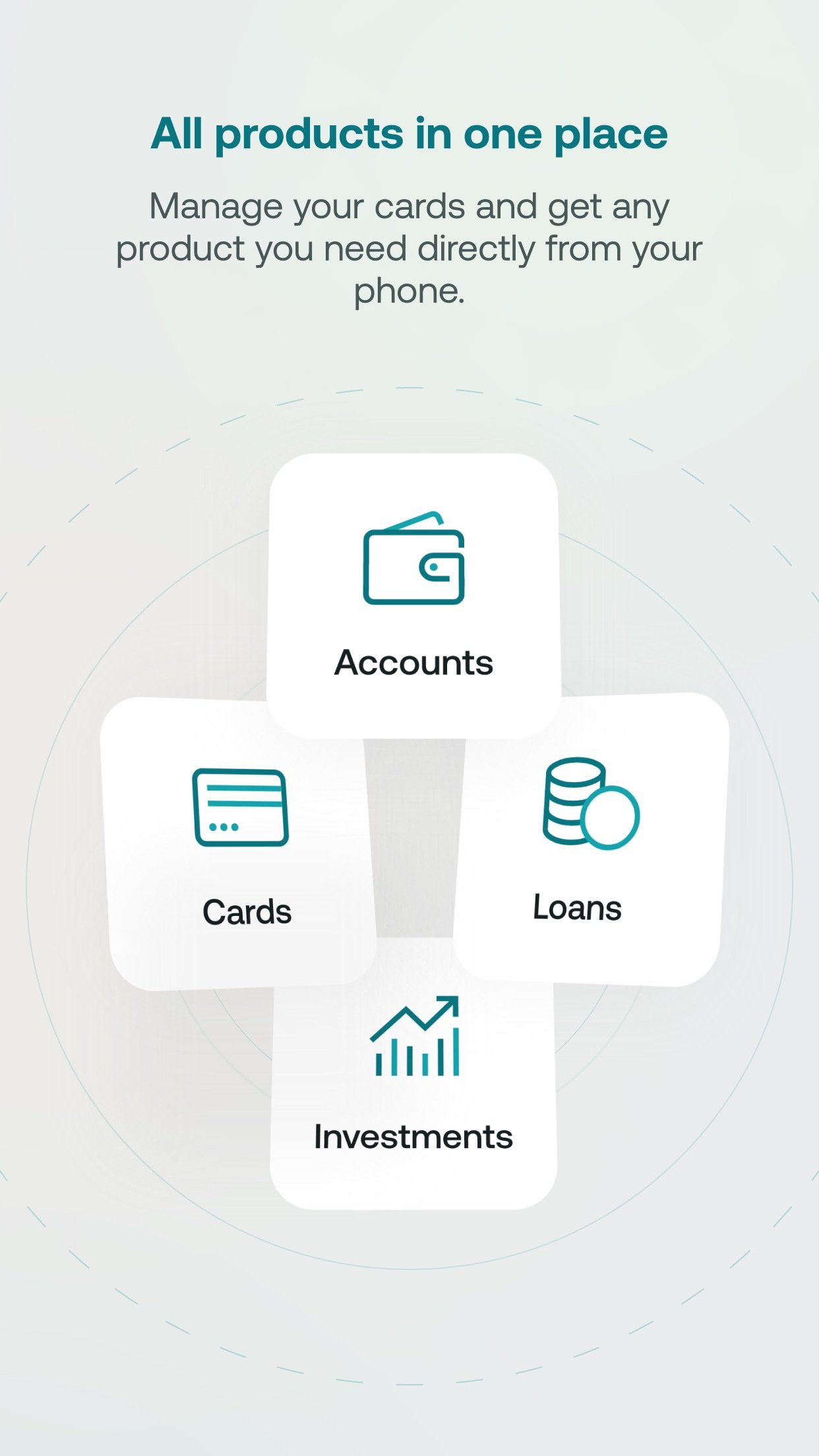
NBG Mobile Banking
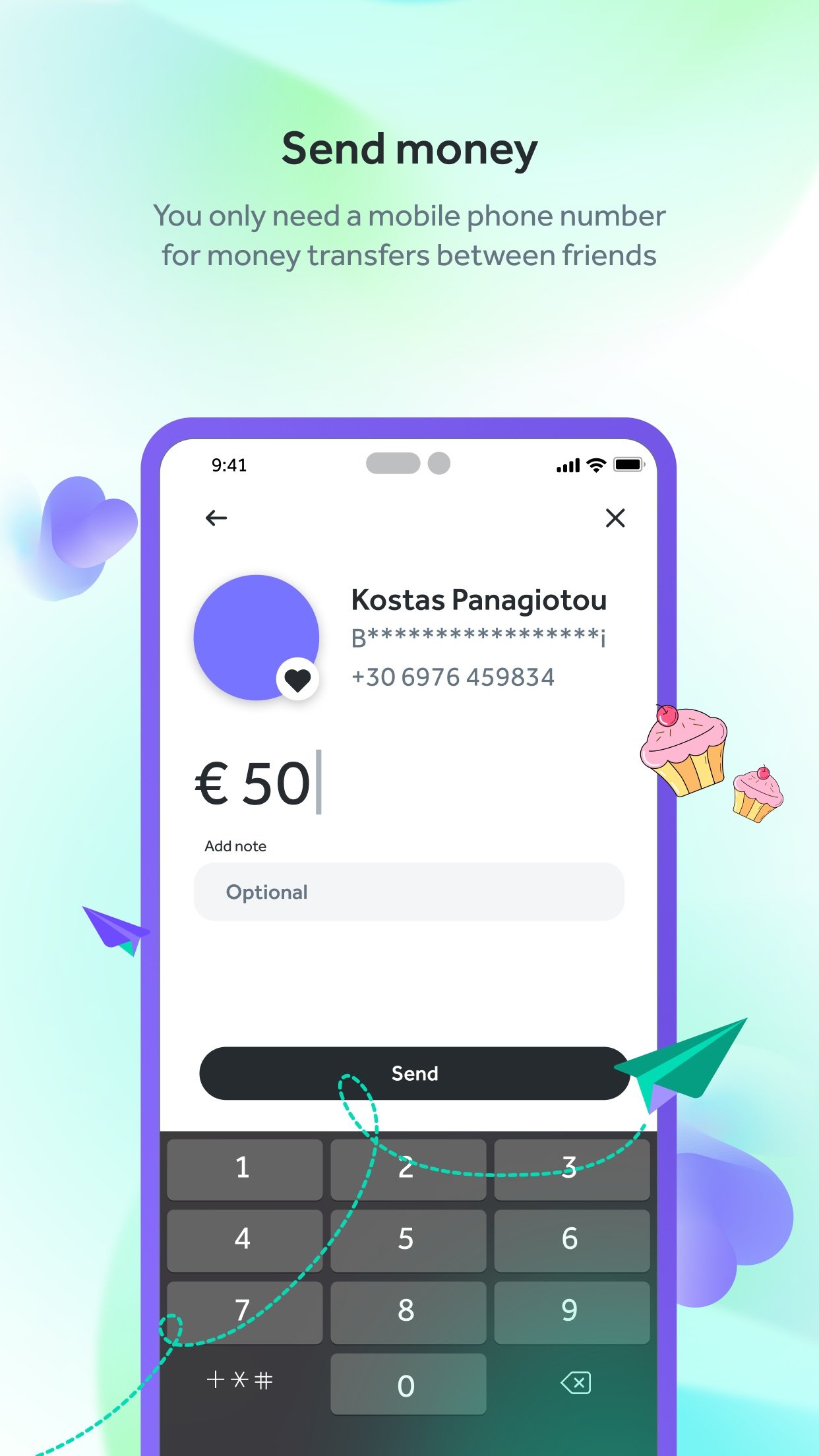
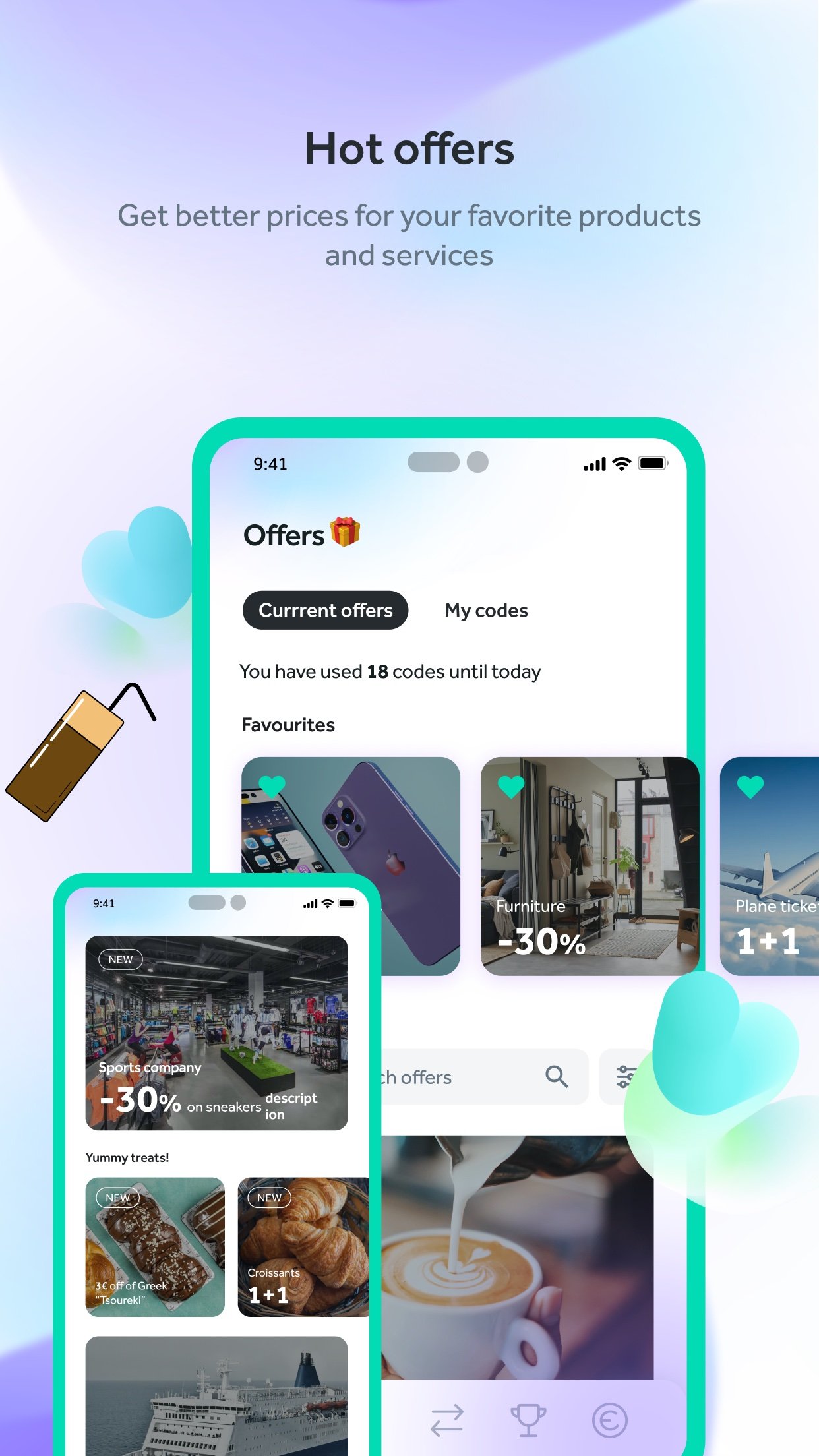
Contribution to the National Bank of Greece mobile banking app — specialising in payments, transactions, IRIS Payments and the shared mobile platform — as a React Native engineer within a wider development team.
- React Native
- TypeScript
- JavaScript
- REST APIs


Mature technology, not experiments
We choose technology for maintainability and longevity — not fashion. Every choice has to justify itself in business terms.
L1 — Frontend
Web interfaces that are fast, accessible and maintainable.
- React
- Next.js
- Angular
- TypeScript
- JavaScript
- HTML5
- CSS3
- Tailwind CSS
L2 — Mobile
Apps for iOS and Android — cross-platform or native, depending on the project.
- React Native
- Expo
- Kotlin
- Swift
- Android
- iOS
- Cross-platform delivery
L3 — Backend & Data
The logic, APIs and data behind every system.
- Node.js
- Java
- Kotlin
- REST APIs
- GraphQL
- PostgreSQL
- MySQL
- MongoDB
- Firebase
- Supabase
L4 — CMS & E-commerce
Content and commerce management — from established platforms to fully custom builds.
- WordPress
- WooCommerce
- Shopify
- Headless CMS
- Custom CMS solutions
L5 — Cloud & Infrastructure
Hosting, automated deployments, security and monitoring.
- AWS
- Google Cloud
- Azure
- Docker
- CI/CD
- GitHub Actions
- Monitoring & backups
L6 — Integrations & Intelligence
Payments, third-party systems, analytics, automation and AI — where systems become an ecosystem.
- Stripe
- Payment integrations
- Third-party APIs
- ERP / CRM integrations
- Analytics platforms
- AI integrations
- Automation tools
The list is indicative, not restrictive. Technology is chosen per engagement — based on the requirements, the existing infrastructure, the team that will maintain it and the goals of the business. Never the other way around.
Small team. Senior work.
SCALEQ is deliberately lean: no intermediaries, no hierarchy billed to the invoice. The people who design the solution build it — and answer for it.
Growth doesn't start with more tools.It starts with better structure.